
By Robert Lavigne January 11, 2026
Today’s customers want flexible, quick, and effortless checkout experiences. Split billing and digital receipts address these needs by simplifying payments and streamlining them. Digital receipts enable consumers to monitor purchases without a paper mess, while split payments allow a bill to be shared by several payers in easy steps. Combined, they offer a more simpler and more convenient experience for today’s modern shoppers.
How Digital Receipts Work
Digital receipts streamline and improve checkout experience for both customers and businesses. Here’s how it typically works.
At checkout time, the cashier will ask if the customer wants a printed receipt, a digital one, or both. If the customer requests a digital receipt, their email address is put into the point-of-sale (POS) system. In a matter of seconds, the receipt is in their inbox—no paper, no waste, and no delay.
But do you know apart from this simple process, more is going on in the background? Along with generating the digital receipt, the system also records key information such as the customer’s email address, amount spent, and products purchased. This data is stored safely in the store’s POS system, providing businesses with rich information for use in future promotions, loyalty schemes, and targeted offers. Overall, digital receipts make transactions easier while enabling stores to create stronger relationships with customers.
The Hidden Cost of Paper Receipts: Why You Need to Switch to Digital

Paper receipts may appear innocent, but they silently eat cash, time, and opportunities out of your business. You never get the chance to follow up, gather feedback, or establish any long-term relationship. It’s as if customers are marching out the door with no possible means of contacting them again.
The cost mounts quicker than one can imagine. Between printers and paper rolls retailers pay thousands annually just to get those little slips to keep rolling in. The greater loss goes beyond cost, lost opportunities for gathering customer information, expanding loyalty programs, and enhancing CRM systems. Without electronic records, handling returns or warranty claims is also frustrating, particularly if customers lose their receipts.
There’s also the environmental factors. The majority of thermal paper utilized for receipts contains additives such as BPA or BPS, which can’t be recycled in a safe manner. Which means millions of receipts are being thrown into landfills every year, adding to unnecessary waste. With customers demanding digital receipts that are cleaner and easier to handle, countries all over the world are already reconsidering how they treat receipts.
Paperless or digital receipts not only save the environment—they build smarter businesses. You can gather valuable customer insights, send automated follow-ups, and even market offers right after the sale. Moving from paper to digital isn’t only an environmentally responsible step; it’s a sound business strategy. It enables you to form more powerful bonds, monitor behavior, and maintain operations streamlined.
Category | Paper Receipts | Digital Receipts |
Receipt Retrieval | Easily lost, damaged, or faded within weeks; difficult to track for future reference. | Securely stored in email or mobile wallets; easy to find anytime. |
Loyalty Enrollment | Requires customers to visit a link or scan a code, often ignored. | Enables one-click loyalty enrollment directly in the receipt. |
Post-Purchase Communication | Ends at the point of sale; no follow-up or engagement possible. | Can include product care tips, warranty info, recipes, or special offers. |
Return Experience | Lost or faded receipts cause delays and customer frustration. | Easy access to full transaction history makes returns faster and smoother. |
Customer Experience | Inconvenient, manual, and outdated; limited brand interaction. | Convenient, paperless, and engaging; enhances brand perception. |
Operational Costs | Ongoing costs for paper, ink, and printer maintenance. | Reduces printing expenses; improves data collection and marketing ROI. |
Engagement Rates | Very low engagement; most customers discard paper receipts. | Around 75% open rates; boosts feedback and conversions. |
Sustainability | Generates waste and increases environmental footprint. | Environmentally friendly; aligns with green business goals. |
Integration and Setup | No integration but limited value and tracking. | POS-agnostic systems; easy to implement and connect with CRM tools. |
Business Value | Transactional only; no marketing or data benefits. | Creates new revenue opportunities through data-driven marketing and loyalty programs. |
Why Digital Receipts are a Better Option for Modern Customers
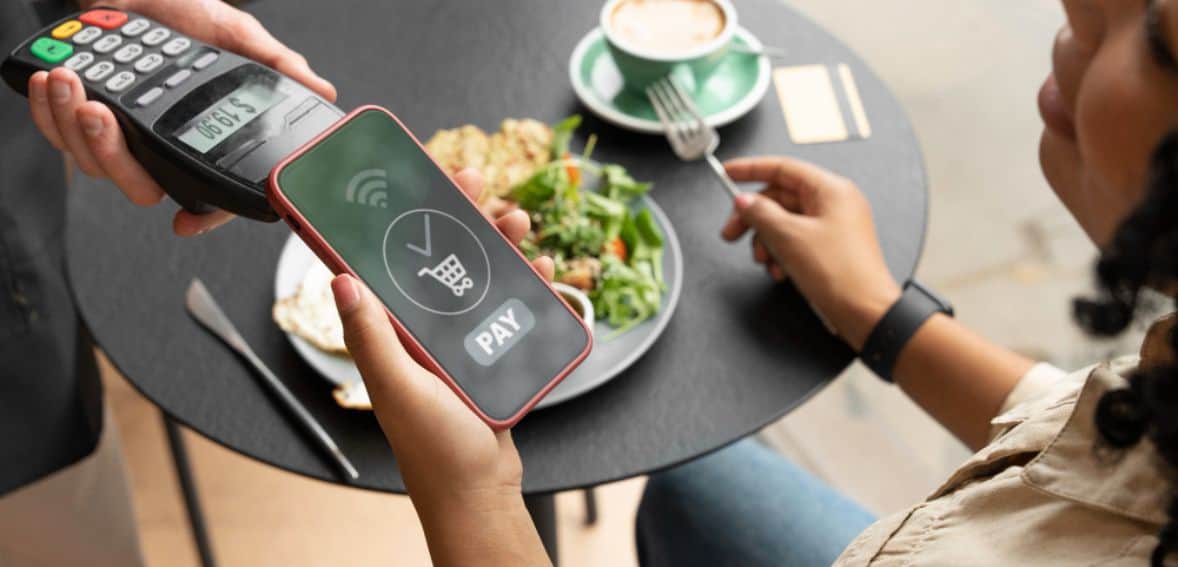
Moving to digital receipts isn’t merely a tiny step toward convenience—it’s a giant leap toward smarter, more sustainable, and more integrated business practices. Where old-fashioned paper slips fill counters and eat up resources, digital receipts are quick, easy, and environmentally friendly. They provide customers and businesses with immediate access to purchase information locked away in the cloud, without the hassle of digging through stacks of paper. For small businesses, this translates to saving money on paper, ink, and printer maintenance and minimizing environmental waste in the process.
In addition to saving money, digital receipts also provide new channels for customer interaction. Each e-receipt can have a subtle marketing element—such as special deals, loyalty links, or QR codes that help in special promotions. Businesses can even utilize customer purchase information to personalize messaging and enhance overall service quality. Customers enjoy this convenience as well; their receipts are readily available, can’t be lost or discolored, and make record-keeping easier during tax season.
Digital receipts also streamline operations. It only takes seconds to pass them along to the accounts team, and because they’re stored safely online, there’s less chance of loss or manipulation. For companies that operate at markets, events, or pop-up shops, digital receipts speed up transactions and are easier, all without having to struggle with printers around.
Ultimately, providing digital receipts demonstrates that your company cares about efficiency, sustainability, and customer satisfaction. It’s not only about becoming paperless—it’s about building meaningful, data-based connections with your customers while simplifying your workflow. By making this small adjustment, you can save money, save the planet, and build stronger customer relationships—all at once.
How Retailers Can Use Existing Technology to Deliver Digital Receipts
It is possible today for retailers to leverage current technology to deliver digital receipts in an efficient, easy, and secure manner. Among the best ways of doing it is through the QR code. Upon completing a payment, the retailer shows the customer a QR code that can be read to immediately launch a digital receipt in the customer’s web browser. This is fast, discreet, and does not need customers to provide personal details. It’s also convenient because nearly everyone owns a smartphone that can read QR codes.
It is easy to put this into practice by utilizing a display screen facing the customer at the checkout area. Most retailers already have such screens where product information, advertisements, or special offers are displayed. Businesses can add a QR code for receipts onto the same display making it simple for customers to read it immediately after they pay.
For those that don’t have customer-facing screens, payment terminals serve as another clever alternative. Most contemporary card terminals, particularly those running Android, can display a QR code following a transaction. This makes it easy to roll out digital receipts to small and medium enterprises that might not have complete POS systems.
Secondly, card-linking is another valuable option, best suited for frequent buyers. Here, customers can connect their payment card to the retailer’s app. When enrolled, receipts are automatically sent digitally with each use of the card—no need for QR code scanning. It’s convenient for repeat buyers, stimulates app downloads, and rewards and builds loyalty through personalized offers and rewards. Similar to QR codes, it also safeguards customer privacy by not asking for additional personal details.
Understanding How Split Payments Work in Modern Businesses
Companies frequently engage in split payments where more than one individual, payer, or payment method is used in a transaction. This scenario is increasingly popular due to customers’ need for flexibility in receiving and making payments.
For instance, multiple payers may be involved where friends split a bill at a restaurant, friends split the cost of a streaming service, or colleagues split the payment for a shared business tool.
In multi-payee cases like marketplaces, booking websites, or affiliate networks, a single payment must be split across multiple parties—such as a platform, a merchant, and a service provider.
There are also various payment modes, where a single customer pays for one purchase through various means. It could be paying half through a gift card and half through a credit card, or paying half now and the remaining through installments later.
With split payment facilities, companies facilitate customers to make payments more easily, minimize checkout resistance, and close greater sales.
Popular Payment Channels for Facilitating Split Transactions
Split payments only function properly when companies provide customers with alternative payment methods. The more payment channels provided, the simpler it is to make split transactions hassle-free. These are some of the most popular payment channels that can be included in a split payment system. Visa and Mastercard debit and credit cards are the most popular choices. They enable consumers to pay cash quickly and easily through Visa, Mastercard, or American Express. Paying by card is a necessity for many consumers.
Secondly bank transfers are also a favorite option among many, particularly for higher amounts. Clients can transfer money from their bank accounts via online banking or by going to a branch. It is secure and usually the go-to option for large amounts of money. Thirdly, electronic wallets such as PayPal and Google Pay are becoming more popular since they allow quick and easy online payments. Shoppers can pay in mere clicks without the need for their physical cards, which is excellent for mobile or e-commerce shopping.
Finally, cryptocurrency is gradually finding its place as a new method of payment. A few businesses currently accept Bitcoin, Ethereum, and other cryptocurrencies. While it’s still in its growing pains stage, this form of payment can be more mainstream as the use of digital currency continues to expand.
Why Split Invoices Are a Win-Win for Today's Businesses and Consumers
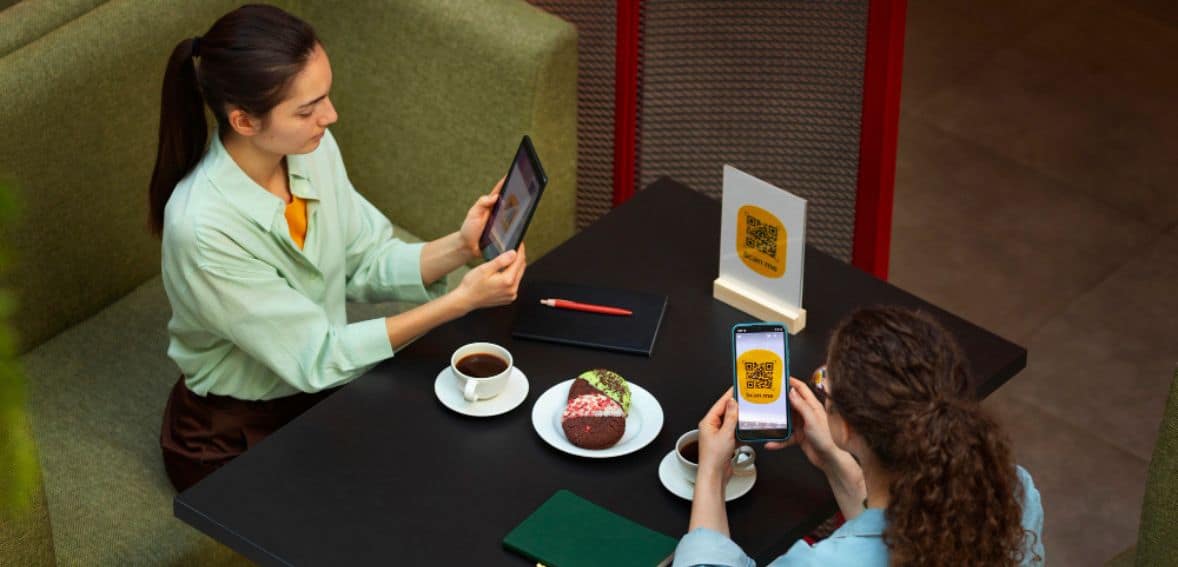
Applying split invoices can be beneficial for both businesses and customers if planned and managed well. The objective is to design a payment system that favors your business interests while providing convenience and flexibility for customers. One of the biggest benefits is flexibility—split invoicing enables customers to purchase what they want or how they want to pay for services even when they don’t have the entire amount immediately. It’s also beneficial for freelancers and contractors because they can provide clients with partial payment options, enabling both parties to negotiate acceptable terms.
Another large advantage is convenience for the customer. Separated invoices facilitate easier payments by various means, particularly if cashless or electronic payments are preferred. This ease enables businesses to reach more customers and make more sales without financially burdening buyers. Cash flow is also enhanced since smaller and more convenient payment installments lower the chances of delayed or missed payments. Businesses can rely on a reliable income, while customers can more effectively deal with their budgets.
Lastly, split invoicing facilitates customer retention. A company that provides adaptable and considerate payment terms indicates that it cares about customers’ needs. This fosters loyalty and trust, making them return in future for more.
Challenges Businesses Encounter When Managing Split Payments

Handling split payments can make transactions more flexible, but it introduces some challenges that businesses need to handle delicately. One of the biggest issues is compliance—whenever money exchanges between more than one party, businesses must comply with payment legislation, taxation regulations, and reporting obligations to prevent penalties or account problems. Transaction fees are also an issue since splitting payments can incur multiple processing fees that cut into profits if not well managed. Timing poses problems as various methods of payment settle at varying speeds, complicating cash flow management.
Disputes and refunds may become even more complex because companies have to figure out how to process refunds or manage chargebacks among multiple recipients. To add to the complexity, issuing payments to many parties requires solid technology to split funds properly and deal with failed or partial payments.
Finally, additional payment options tend to perplex customers, so companies require transparent communication and quick support in order to maintain payment experiences that are smooth and frustration-free.
How to Install and Conduct Split Payments Efficiently
Installing split payments requires proper planning to ensure everything goes smoothly. The initial step is to have a clear outline of how funds will flow—who will be paid, how much, and when.
You can opt for a payment processor that currently supports split payments and multiparty transactions. If you would rather do things yourself with a standard payment processor, be prepared for additional steps like monitoring payments, dealing with taxes, and adhering to payment compliance guidelines.
Some of the areas you will need to deal with are:
You’ll have to pay third parties such as sellers, freelancers, or service providers. This means verifying their identity, collecting tax forms like W-9s or W-8 BENs, and following local regulations. You’ll also have to determine payout timing. It’s crucial to find the best balance for both you and your users.
If your business takes a commission, you’ll need to deduct your share before sending the rest of the payment to each party. Doing this manually means you’ll need a clear process.
Refunds can be another challenge. When customers request one, you’ll have to collect money proportionally from each recipient. Handling this properly helps to avoid confusion and keeps operations smooth.
Conclusion
Digital receipts and split billing are changing the way companies engage with customers. They provide convenience, flexibility, and visibility, which consumers value most today. By embracing these technologies, companies can facilitate payments, save costs, and strengthen customer relationships through smoother, paperless, and more customized checkout experiences.
FAQs
What are digital receipts?
Digital receipts are electronic copies of paper receipts, delivered via email or QR code following a purchase.
What is split billing?
Split billing enables numerous individuals or forms of payment to divide a single bill, improving transactions in terms of convenience and flexibility.
Why are digital receipts important?
They eliminate wastage of paper, make recordkeeping easy, and enable customers to see purchase information at any time.
Can small businesses use split payments?
Yes, the majority of contemporary POS systems and payment processors support split payments for small and medium enterprises.
Are digital receipts safe?
Yes, digital receipts are encrypted and safeguard customer information, providing a secure and private transaction history.